What we do
Plumbing maintenance plans for Brisbane properties
If your backflow test is coming due or the same drain keeps blocking, a plumbing maintenance plan gives you a way to arrange the work ahead of time. Impact Maintenance builds plans around the plumbing at your property and the problems you want to keep on top of.
Start with a home, a strata building or a commercial site. We can agree on the checks and testing to include, when visits are needed and how reminders and service reports will be handled. The schedule depends on your equipment and any required testing intervals.
Discuss a maintenance plan with your property address and any recurring plumbing concerns.

A flexible way to run the work
There is no fixed template that suits every building. A small scheme may want attention on a few recurring areas. A larger site may need different spaces reviewed at different times. The plan can change as the building changes.
A practical workflow looks like this:
Set the starting point. We talk through the property, recurring faults, known plumbing areas and how the building operates. Existing plans or notes are useful, but a short site brief is enough to begin.
Choose the planned work. Pick the areas or systems that need regular attention. That might be common amenities, drainage points, hot water equipment, taps, valves or a problem area that keeps coming back.
Arrange visits around the site. Work can be planned around residents, tenants, school hours, trading, plant-room access or quieter parts of the week. Add or remove areas when priorities change.
Deal with findings as they arise. A planned visit can identify a repair, a further check or something that can wait. We discuss the next piece of work with the facts from the site, rather than guessing from an old description.
Visits can be annual, six-monthly, quarterly or scheduled around your property's needs. The timing depends on the systems being maintained and any required testing intervals.
We can include scheduled reminders, service reports and recommendations for upcoming repairs in the maintenance program.
What planned maintenance can cover
The work depends on the plumbing at your property. A plan can cover routine checks, recurring trouble spots and equipment that needs regular attention.
| Area | Planned work |
|---|---|
| Backflow devices | Testing, certification and reporting. |
| Thermostatic mixing valves (TMVs) | Temperature checks, testing, servicing and compliance reports. |
| Drains and sewers | CCTV inspections, condition reports and preventative cleaning or jetting. |
| Stormwater | Checking and cleaning pits, drains, grates and stormwater lines before storm season. |
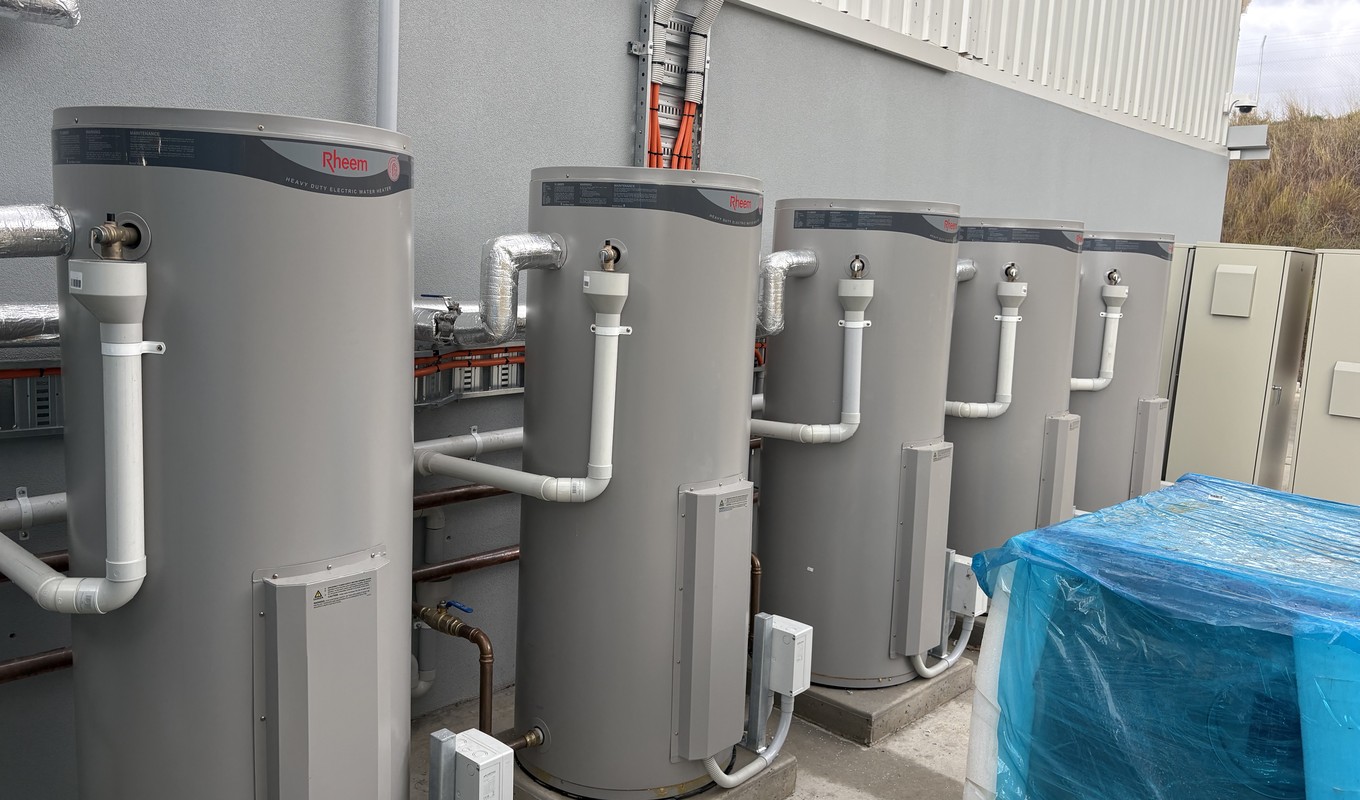
| Hot water systems | Checking hot water plant, valves, temperatures, leaks and general condition. |
| Pumps and pump wells | Inspection and servicing of booster pumps, pump stations and sewer or stormwater pump wells. |
| Water pressure and valves | Pressure checks, pressure-reducing valve servicing and testing critical isolation valves. |
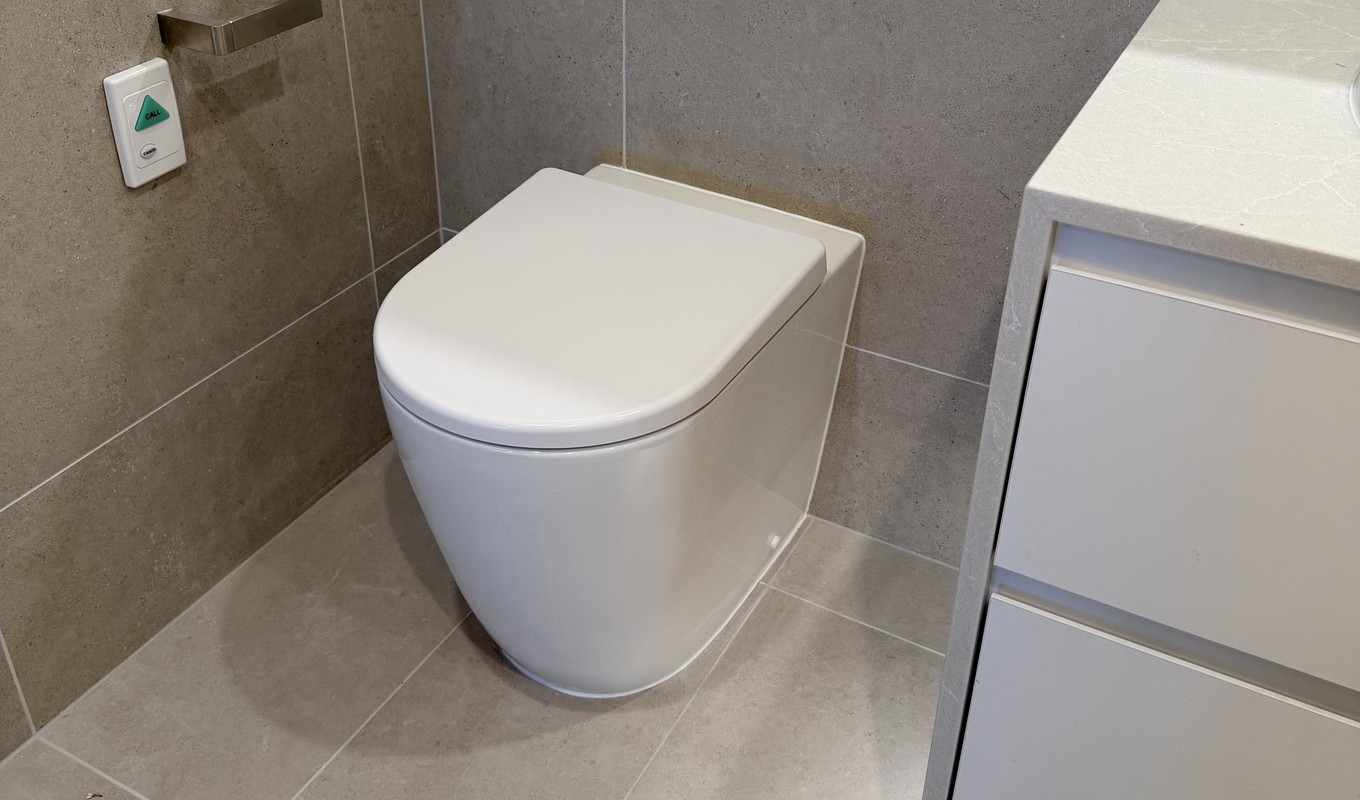
| Plumbing condition audits | Checking amenities, fixtures, visible pipework, valves and plant rooms. |
Blocked drains, leak detection, hot water, gas fitting and backflow testing in Brisbane each have their own service detail. They can sit alongside a planned maintenance discussion where they matter to the building.
An active leak, overflow or drainage fault needs its own immediate attention. Use emergency plumbing for a current issue that is affecting safety or operations. Planned work can pick up the wider pattern afterwards.
Start with the way your building works
Access is part of plumbing maintenance. A site may have resident booking windows, a concierge, food service, public areas, security rules or equipment that cannot be shut down during the day. Mention it early. We can plan the work around the reality of the property.
For strata properties, body corporate and strata plumbing covers common building issues and the information that helps an incident move. It is useful when a recurring fault crosses lots, common areas or service spaces.
For operating commercial buildings, visit plumbing maintenance for facilities and building managers. Facilities teams can bring in access requirements, tenant contacts and work windows from the start.
What to send first
Keep it simple. Send the address, the areas you want to look after and the plumbing issues that keep returning. Add any property notes you already have, plus the best person for access.
A few details make the first discussion more useful:
- affected areas, systems or known assets
- recent leaks, drainage problems or hot water faults
- site hours and areas that cannot be interrupted
- resident, tenant or security arrangements
- plans, photographs or earlier notes where they help
You do not need a polished asset register. We can start with what the property team knows now and build the work around it.
Why plan it
The value of planned maintenance is simple: the next visit begins with the building context already known. That makes repeat faults easier to discuss and gives site teams a clearer way to raise new concerns.
It also gives you a place to separate routine attention from a fault that has just appeared. A water issue in a busy tenancy does not wait for the next planned visit. A slow drain that appears every few months may be worth putting into the plan.
FAQ
Is planned maintenance only for commercial buildings?
No. It can suit a home, strata scheme or any building with recurring plumbing work and site conditions worth keeping track of.
Can we change the areas included over time?
Yes. Start with the areas that matter now. Add, remove or reprioritise work as the property changes.
What happens if a new fault appears between visits?
Send the current details through. For an urgent water or drainage issue, use emergency plumbing.
Discuss planned maintenance
Send the property address, recurring plumbing concerns and the way the site operates. Discuss a maintenance plan or contact Impact Maintenance.
Need this sorted?
More of what we do